
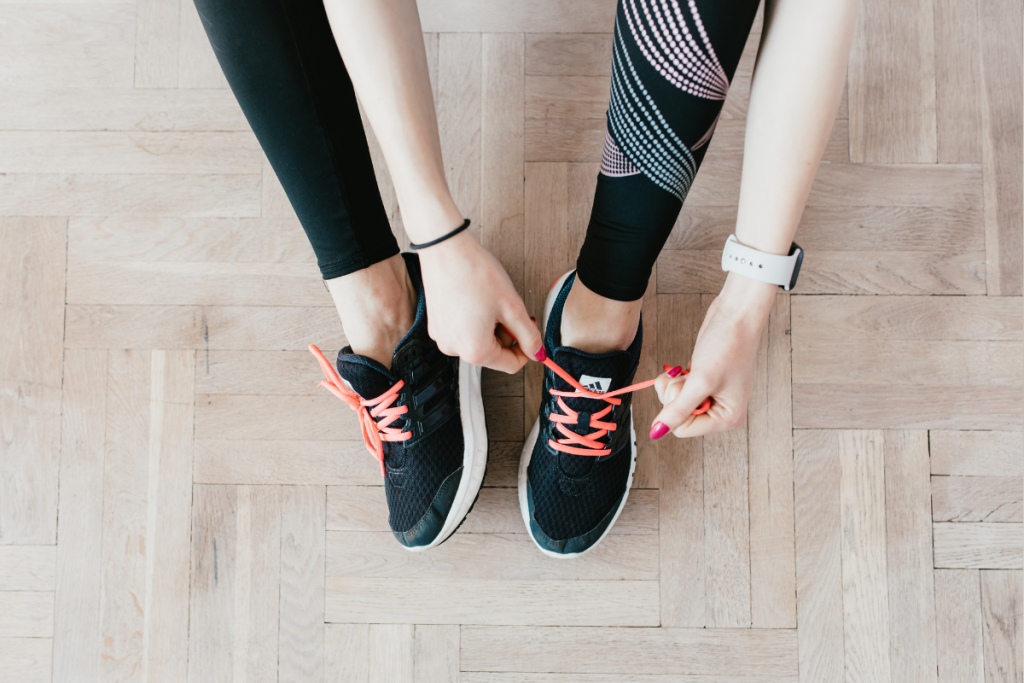
One of the most common questions from clients experiencing suspension-based or bungee-assisted exercise for the first time is whether they should wear shoes during training. The answer is not universal—it depends on safety, biomechanics, and the objectives of the movement.
Prioritizing Safety and Stability
In suspension and low-impact training environments, safety is the primary consideration. Footwear can provide additional protection, reduce the risk of slipping, and offer cushioning for joints—especially during dynamic movements such as jumps, controlled landings, or directional changes. For participants who are new to this type of training, wearing appropriate athletic shoes is generally recommended to enhance stability and confidence.
Enhancing Body Awareness and Control
In some controlled exercises, training without shoes may be appropriate. Barefoot movement allows practitioners to develop greater proprioception—awareness of foot placement, balance, and weight distribution. This can be beneficial for improving posture, core engagement, and overall movement precision, particularly during slow, technique-focused sessions.
A Personalized Approach to Training
The most effective approach is a personalized one. Individual factors such as training experience, physical condition, balance ability, and the specific class format all play an important role in determining whether shoes should be worn. Professional instructors are trained to assess these factors and provide guidance tailored to each participant.
Professional Guidance Matters
Rather than applying a one-size-fits-all rule, high-quality training studios emphasize instructor supervision and clear safety standards. Participants are encouraged to follow studio guidelines and consult instructors before each session to ensure the safest and most effective experience.
Conclusion
Whether you wear shoes or train barefoot should always support comfort, safety, and performance. With expert instruction and proper assessment, both options can be used appropriately to maximize the benefits of modern functional and suspension-based training.