
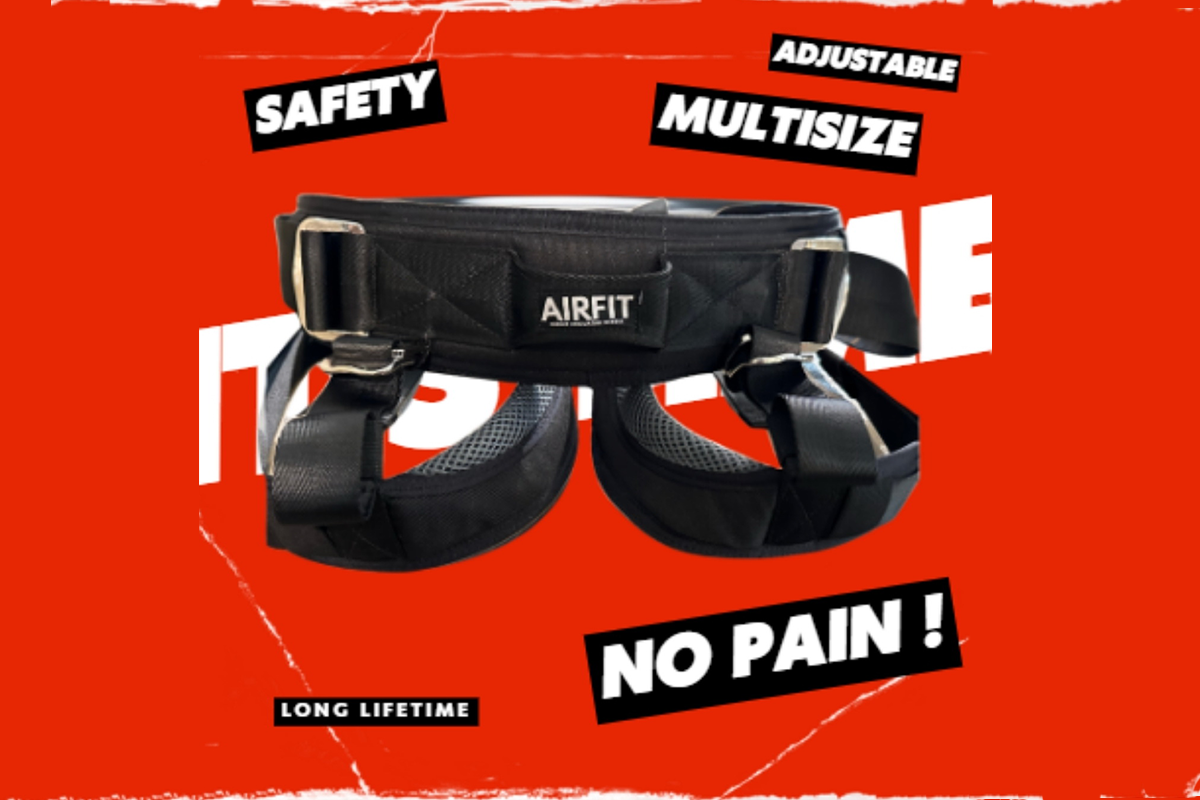
Bungee Fitness is rapidly becoming a global trend, celebrated as a high-energy, low-impact workout that burns a massive amount of calories while remaining incredibly fun.
However, the most critical piece of equipment—the vital link between the “mover” and the “resistance”—is the Bungee Harness.
Choosing the right harness is not just about aesthetics; it is about international safety standards and biomechanics. Here are 5 key factors to consider to ensure your investment is both cost-effective and safe.
1. Safety First: Compromise is Not an Option
The structural integrity of your equipment is paramount. A high-quality harness must undergo industrial-grade Tensile Testing and carry certifications from recognized international bodies, such as CE Support or standards equivalent to climbing and rescue gear.
- Checklist: Inspect the reinforced stitching, the durability of the buckles, and the webbing material. Ensure they are designed to withstand repetitive, high-velocity impacts to give users total confidence during every flight.
2. User-Friendly Comfort
A workout should build strength, not bruises. A premium harness must be engineered for optimal weight distribution to eliminate pressure points that cause discomfort during use. By protecting sensitive areas—specifically the waist and thighs—users can focus entirely on their movement without the distraction of pinching or chafing.
3. Versatility and Scalability (The “One Size Fits All” Strategy)
For studio owners, “cost-efficiency” and “operational agility” are vital. Selecting a harness with superior Adjustability allows you to:
- Accommodate all body types: Support clients from size S to XL using a single piece of equipment.
- Reduce overhead: Minimize the need to stock multiple sizes.
- Streamline management: Simplify equipment preparation for every class.
4. Ergonomic Design
A well-designed harness enhances performance rather than hindering it.
- Lower Back Protection: The connection point to the bungee cord should be strategically placed (typically near the shoulder blades or the correct center of mass). This prevents users from over-arching their lower back to maintain balance—a common cause of lumbar strain.
- Mobility: The cut of the harness should not restrict the groin or thighs, allowing for natural, fluid jumps and transitions.
5. Operational Efficiency
In a 60-minute session, every second counts. Modern harnesses feature integrated systems that allow for on-body
resistance adjustment.
- No ladders required: Eliminate the need to climb to adjust overhead lines.
- Instant Calibration: Instructors can fine-tune the tension for each participant immediately without pausing the class.
- Enhanced Professionalism: Maintains the “flow” of the session, providing a seamless and premium experience for the client.
Summary: Investing in a high-quality Bungee Harness is an investment in your clients’ safety and your brand’s reputation. By choosing equipment that prioritizes ergonomics and ease of use, you aren’t just improving the health of your members—you are ensuring the long-term sustainability of your studio.